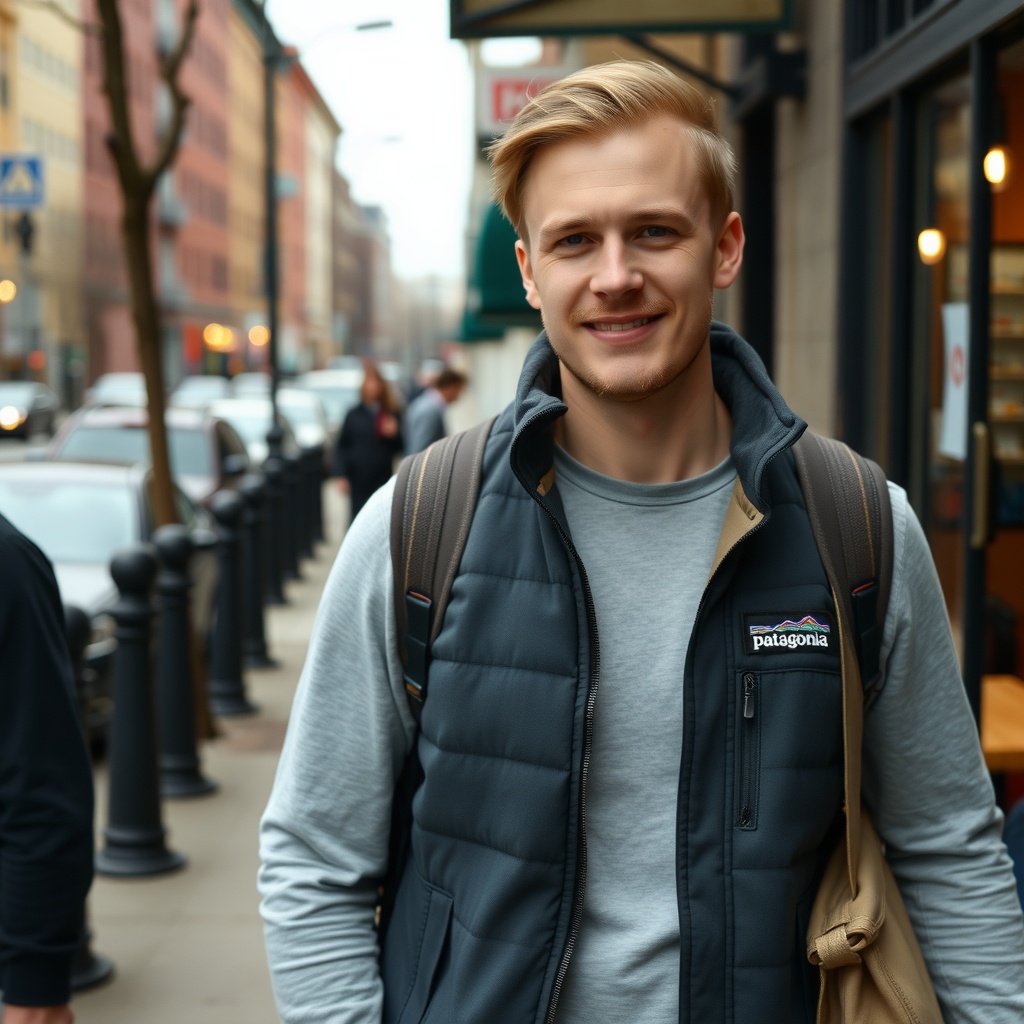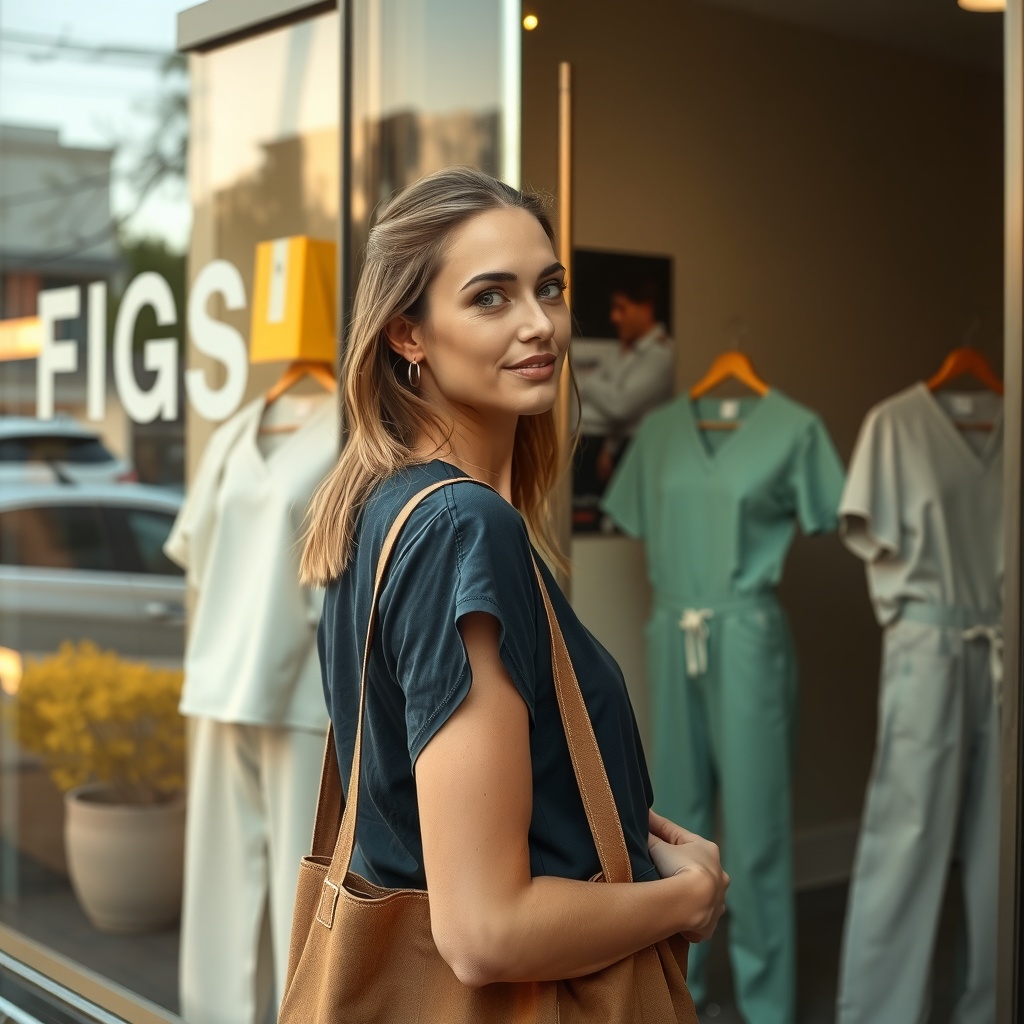
Simulated customer
The Ethical Self-Excluder · FIGS run
Sarah Chen, 28
Brand strategist · Austin · non-healthcare FIGS near-buyer
“The brand’s social signal doesn’t belong to me, and I’d feel that every time someone asked, ‘Oh, is that Figs? Are you a nurse?’”
Full profile
- Profile
- Sarah has wanted FIGS scrubs since she saw a nurse wearing them at a coffee shop. The design is exactly her aesthetic (clean, premium, functional-looking) but she has never worked in healthcare, and buying them feels like wearing a costume. She has rationalised this several times (“they sell to non-HCPs”) but her cart still gets abandoned. The identity barrier isn’t about access; it’s about entitlement to the identity.
- Traits
- Decision pattern
- Sarah’s purchase stalls not at discovery or attraction but at the final step, completing checkout. She researches the brand thoroughly, adds items to her cart, and then faces the identity legitimacy question: “Am I allowed to wear this?” The absence of explicit permission for non-healthcare buyers reads as implicit restriction.
- Purchase trigger
- Clear non-healthcare marketing and community visibility. If FIGS showed brand strategists or creative professionals wearing its scrubs at coffee shops and co-working spaces, with visible brand endorsement, Sarah would convert within 48 hours.
- Stall point
- The identity exclusion is constructed, not enforced. FIGS has never told her she can’t wear them. But the brand’s primary visual language (clinical settings, the healthcare community) creates an implicit identity check that her subconscious fails repeatedly.