The Social Currency Signal: full report

Across simulated buyers of Liquid Death, OLIPOP and Spindrift, purchase motivation split 2:1 identity signalling over functional benefit. This report looks at what happened to that signal once mass retail eroded the exclusivity that made it worth sending.

Public brands · modelled studySimulated customers, modelled on real people. Results are directional.
2 : 1Identity signalling over functional benefit, as purchase motivation

Liquid Death · OLIPOP · Spindrift

Two in three dots highlighted: the identity share of purchase motivation in the simulation.

9Simulated customers, three per brand
USMarket
3 runsMethod: one simulation per brand, Liquid Death, OLIPOP and Spindrift

Better-for-you beverages. Public brands used as market examples; none is a client.

In short

  • In the Liquid Death run, the can’s social signal inverted. Simulated early adopters said that, in mass retail, holding the can read as Whole Foods-tier conformity rather than counter-cultural credibility. The most identity-conscious of them were the readiest to leave, because of that identity-consciousness, not despite it.
  • Simulated OLIPOP early buyers consciously swapped in functional language (prebiotics, fibre grams) for identity language. They knew they were doing it, and did it anyway, because the “I was early” story no longer held once the can sat next to Cap’n Crunch.
  • Simulated Spindrift buyers used ingredient transparency as social cover more than as proof of quality. “Made with real juice” was a quotable sentence that let them defend a premium purchase in a mass retail setting without the store doing the pre-screening for them.
  • The pattern across the three runs: pure identity signals looked strongest at launch and most fragile at scale. The signal tied to a functional claim held up best under mass distribution.
Run your version →

The signal, brand by brand

The signal, brand by brand

Two parts identity to one part function, before scale.

2 parts identity or peer perception1 part taste or hydration
Repeat-purchase motivation for Liquid Death in the simulation. The 2:1 split held clearly; what happened to it after mass retail is the larger finding.
Liquid Death
Signal at launchCounter-cultural credibility
OLIPOP
Signal at launch“I was early to this”
After mass retail: substituted“Gut health science”
Spindrift
Signal“Made with real juice”
After mass retail: heldA signal that travels to any store, so no inversion
What each brand’s purchase signal became once mass retail removed exclusivity, as simulated customers described it. Red marks the one signal that turned against the buyer; blue marks the one that held.

Simulated customers

Simulated customers

One profile from each brand run.

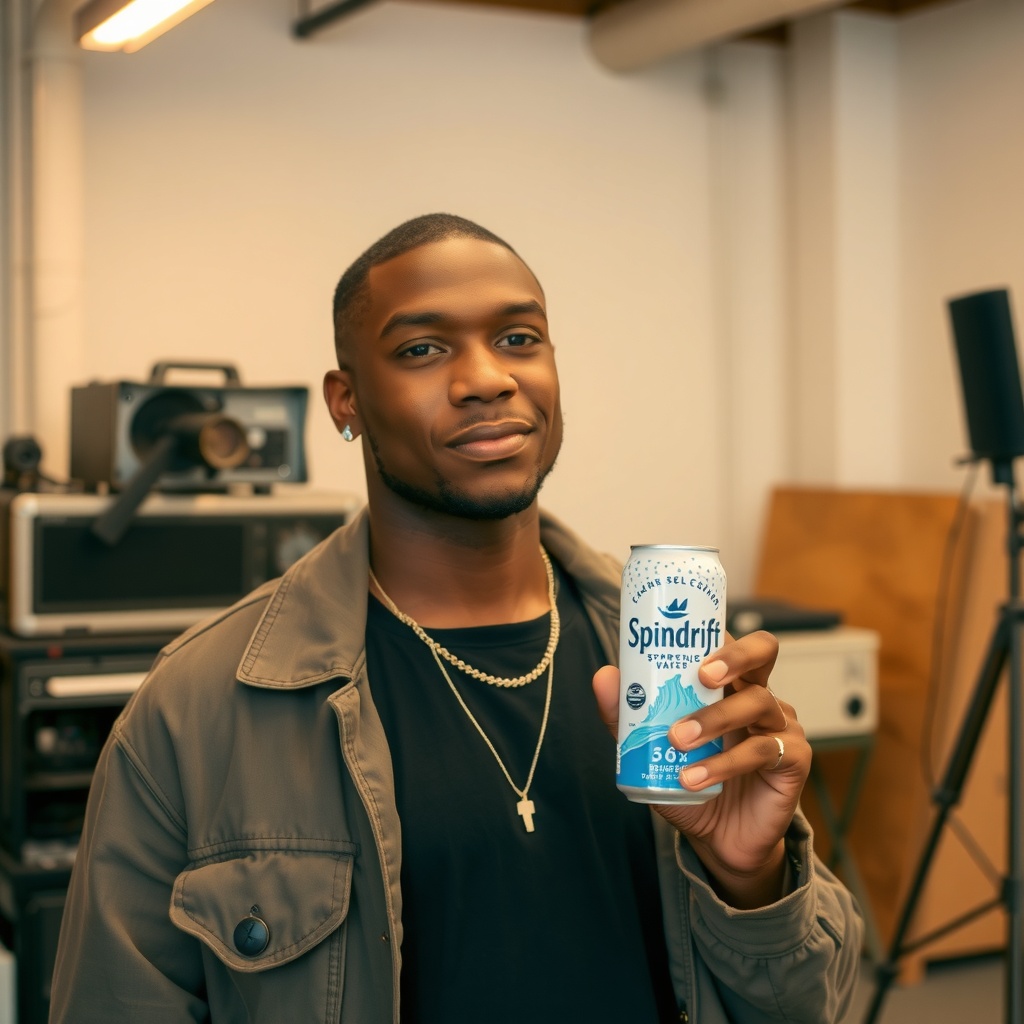
Portrait of Marcus Chen, a simulated customer.
Simulated customer

The Conflicted Loyalist · Liquid Death run

Marcus Chen

24 · Graphic designer · Portland

“I’m not going to lie to you: holding that can looked right. It fit the visual grammar of where I was and who I was trying to be in that moment.”
Full profile
Profile
Marcus bought his first case of Liquid Death because the can looked like a metal album cover at a craft beer bar; it was a social prop before it was a hydration choice. He has been a loyalist for two years, but the Walmart rollout created a specific anxiety: when he sees someone with a Liquid Death at a strip mall, it generates the same slightly nauseating feeling as when a band he loved signs to a major label.
Traits
identity-signalermainstream-avoiderearly-adoptercultural-authenticistcounter-culture
Decision pattern
Marcus’s purchase calculus is primarily driven by social identity. He evaluates brands on “what does carrying this say about me?” before any functional consideration. Liquid Death’s counter-culture aesthetic was identity-positive; now that it’s in every Target, the calculus is shifting.
Purchase trigger
The original trigger was exclusive-feeling counter-culture positioning at music venues and skate shops. “Death to plastic” mission plus heavy metal aesthetic equals not for everyone, which equals a socially legible signal of taste identity.
Stall point
Mass retail distribution. Every time Marcus sees Liquid Death alongside mainstream sodas at a gas station, it requires a new internal justification for why he still carries it.
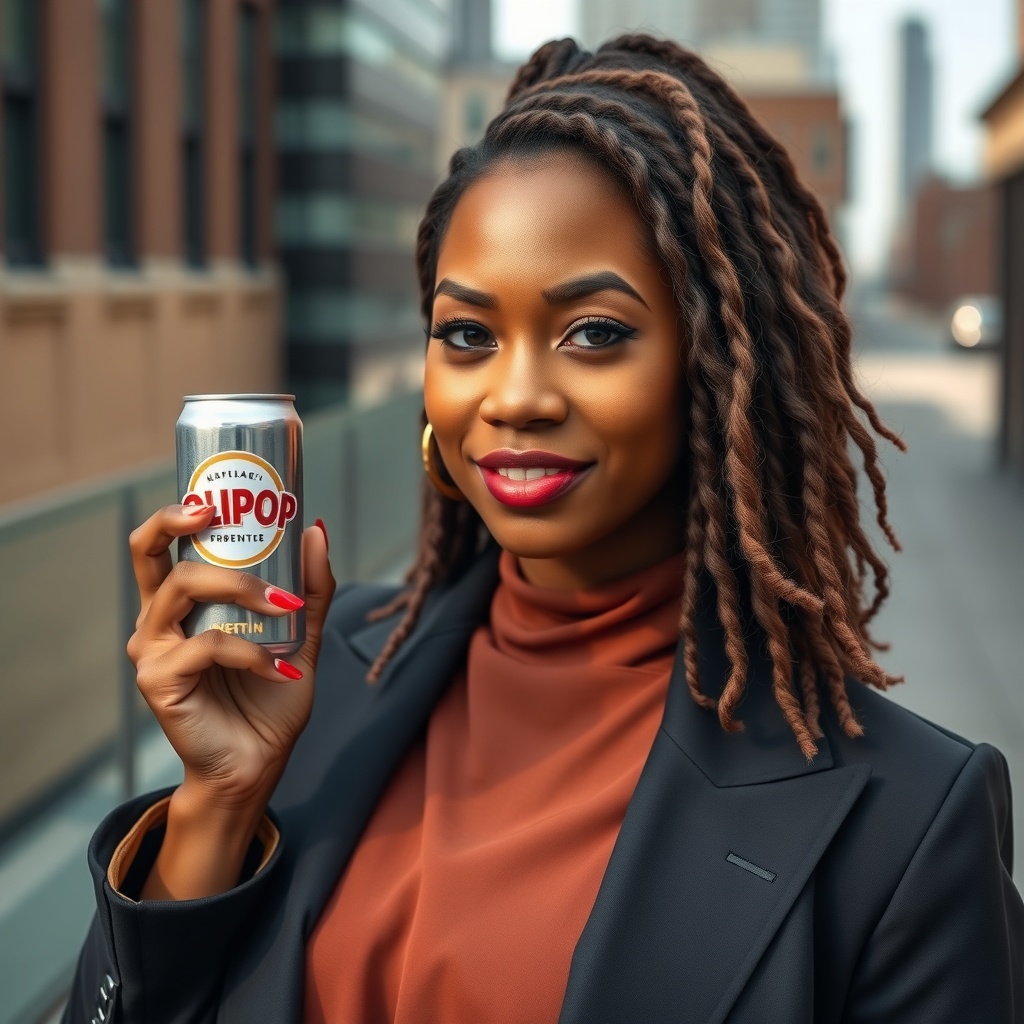
Portrait of Jasmine Rodriguez, a simulated customer.
Simulated customer

The Reluctant Signaller · OLIPOP run

Jasmine Rodriguez

29 · Marketing strategist · Chicago

Full profile
Profile
Jasmine knows exactly what OLIPOP is doing and buys it anyway. She understood the gut health narrative was partly functional, partly social, but the flavours were genuinely good, the cans photographed well, and carrying one said “I make thoughtful consumption choices” in a professional context that rewarded that signal. She is starting to see OLIPOP everywhere and feels the first hints of the signal degrading.
Traits
wellness-signalerearly-adopterfunctional-benefit-awareaesthetics-conscioussignal-literate
Decision pattern
Jasmine is a conscious social signaller: she doesn’t deny that part of OLIPOP’s appeal is performative. She separates functional benefits (prebiotic fibre) from identity benefits (visible health consciousness) and feels entitled to both. She monitors the brand’s distribution for signs of mainstream dilution.
Purchase trigger
The combination of genuine functional differentiation (prebiotics) and aesthetic appeal (can design, flavours) created a product she could defend on both identity and functional grounds at once.
Stall point
Distribution saturation. OLIPOP in every gas station cooler breaks the “thoughtful consumption” signal. Unlike Liquid Death, OLIPOP has a real functional benefit to fall back on, but for her the social signal is fading faster than the functional story is growing.
Portrait of Devon Jackson, a simulated customer.
Simulated customer

The Functional Purist · Spindrift run

Devon Jackson

32 · Event producer · Brooklyn

Full profile
Profile
Devon switched from LaCroix to Spindrift because the real-juice ingredient claim felt honest rather than engineered: “carbonated water and a little grapefruit juice” vs. “natural grapefruit flavor.” He is a functional purist who is suspicious of social signalling as a primary purchase motivation, which makes Spindrift’s genuine-ingredient story more durable for him than brands whose identity is primarily aesthetic.
Traits
functional-puristingredient-authenticanti-signalclean-label-drivenauthenticity-seeker
Decision pattern
Devon evaluates beverages on the ingredient list before anything else. He doesn’t care what the can looks like or who else is drinking it; he cares whether the functional claim is honest. Spindrift’s real-juice positioning survived his scrutiny where LaCroix’s “natural flavors” did not.
Purchase trigger
The real-juice ingredient claim is both functionally true and socially neutral: it doesn’t depend on cultural position to keep its value. Devon’s purchase motivation is rare in the category. He’s buying the ingredient claim, not the brand story.
Stall point
Distribution saturation doesn’t affect Devon the way it affects Marcus or Jasmine. But a quality regression (reducing juice percentage, changing the formula) would break the functional trust entirely and permanently.

Cross-brand finding

Cross-brand finding

In this simulation, mass distribution didn’t dilute the signal. It inverted it.

Across all three runs, the thing that drove the first purchase (a legible social identity) became the thing driving exit, or a change of story, after mass retail. In the Liquid Death run, the inversion looked complete: the most culturally embedded simulated early adopters described active embarrassment about the brand, because of their identity-consciousness, not despite it. In the OLIPOP run, the change of story was conscious: simulated buyers knew they were replacing “I was early” with “gut health science” and said they had no other publicly acceptable story. In the Spindrift run, ingredient transparency worked as an identity signal that travels to any store, and it was the only signal in the study that held up at scale.

What we tested

What each brand run found.

Liquid DeathConfirmedPlus an inversion
Liquid DeathConfirmedPlus an inversion Repeat purchase motivation cites identity or peer perception at least 2x more frequently than taste or hydration.

In the simulation, the 2:1 identity-over-function ratio held clearly. The bigger finding: simulated buyers said mass retail had made the can read as Whole Foods-tier conformity rather than counter-cultural credibility, and the most identity-conscious of them described active embarrassment, because of that identity-consciousness rather than in spite of it.

OLIPOPConfirmed
OLIPOPConfirmed Mainstream retail distribution shifts early-buyer purchase motivation from identity to functional benefit language.

In this run, all three OLIPOP simulated customers consciously swapped “I was early to this” for prebiotic and fibre claims as they talked. One of them, who works in marketing, described the swap while making it. It read less as self-deception than as the lack of any other socially acceptable story once exclusivity was gone.

SpindriftConfirmed
SpindriftConfirmed Ingredient transparency messaging drives purchase intent at mass retail specifically; the mechanism is venue-contingent identity protection.

In this run, ingredient claims worked as ready-made social scripts: factual justifications that eased the status anxiety of being seen buying premium at Target or Walmart. “It’s the only one made with actual juice” is a sentence buyers can say out loud at checkout that makes the purchase socially legible without the store environment doing the validating work.

“Once the visual novelty decays, once it’s in every hotel minibar and airport kiosk, the social signal collapses. And I’ve been watching that happen in real time.”
A simulated customer in the Liquid Death run

In their words

Verbatim from the simulation.

Liquid Death

“This is engineered rebellion. That’s not the same thing as actual rebellion. They’re at Target. They did a collab with Martha Stewart. The company is worth over a billion dollars.”
Marcus Chen, Liquid Death run

Liquid Death

“So am I buying the can as much as the water? Probably yes. I just resist framing that as ‘signaling anti-mainstream values’ because that feels like the brand’s flattering story about its own consumers.”
A simulated customer in the Liquid Death run
More in their words

Liquid Death

“For someone at my level of visibility in these spaces, being caught holding one in 2024 is actually worse than holding a Pellegrino. It marks you as someone who’s still performing a rebellion that’s been fully absorbed.”
A simulated customer in the Liquid Death run

OLIPOP

“I think I tell the functional story because it’s defensible. Nobody can argue with gut health science. The ‘I was early to this brand’ story just sounds insecure now that it’s everywhere.”
A simulated customer in the OLIPOP run

OLIPOP

“I’m sitting here a little uncomfortably aware that I might be doing exactly that, reconstructing my rationale because the original one doesn’t hold the same weight when it’s flanked by Cap’n Crunch at eye level.”
A simulated customer in the OLIPOP run

OLIPOP

“The science became my lead when the identity signal got cheaper.”
A simulated customer in the OLIPOP run

Spindrift

“When I’m at Whole Foods and I’m picking up a six-pack, the environment is doing some of the work for me. The store itself is saying: we already pre-screened this.”
A simulated customer in the Spindrift run

Spindrift

“The ingredient truth is the thing I’d quote to justify the purchase. Without it being front and center, I lose my own internal argument for why this matters.”
A simulated customer in the Spindrift run

What it means

Implications for challenger brands.

Map the inversion point before the next channel decision.

Simulated Liquid Death and OLIPOP buyers both described a distribution point where the social signal flipped from exclusive to conformist. A challenger brand can look for where that point sits for its own buyers before signing retail agreements that cannot be unwound.

Early adopters don’t leave when they’re bored. They leave when they’re embarrassed.

In this simulation, the early-adopter exits were driven by identity visibility, not product quality or price. Loyalty rewards or taste messaging would be unlikely to reach these buyers: the exit they described was social, not sensory.

A factual claim buyers can repeat travels better than an image.

In this simulation, Spindrift’s “real juice” claim worked as an identity signal that travels to any store, which simulated buyers of the other two brands did not describe having. A better-for-you beverage brand planning mass retail expansion can check whether its main purchase motivation survives a store that doesn’t pre-screen its buyers.

Risks

Risks

What this study can’t protect you from.

Early adopters spread the signal, and its decay.

In the Liquid Death run, the most culturally embedded simulated buyers described being watched for what they carry. The early buyer who lends a brand cultural legitimacy is also the one whose exit signals the inversion to the buyers who follow their cues, so one exit may cost more than one customer.

Functional claims can’t be checked by the buyer.

Simulated Spindrift buyers believed the juice claim but had no way to verify it. Because that claim carried the whole social script, a credible challenge to it would take away the reason the purchase felt defensible, not just dent loyalty.

Confidence & limits

Directional signal, not validated research. Each finding comes from simulation runs with simulated customers: 3 brands, 9 simulated customers modelled. Liquid Death, OLIPOP and Spindrift are public brands used as market examples; none is a client. Treat the numbers as directional: the direction and size of the effect is the finding, not a forecast. Check the findings with your own customers before a decision commits to them. Simulatte can run those interviews and show where they agree with the model.

Related studies

← Back to the studyAll studies →

Run your version of this decision.

Bring the call you’re weighing. First answers from simulated customers in minutes, then check them with your own customers.