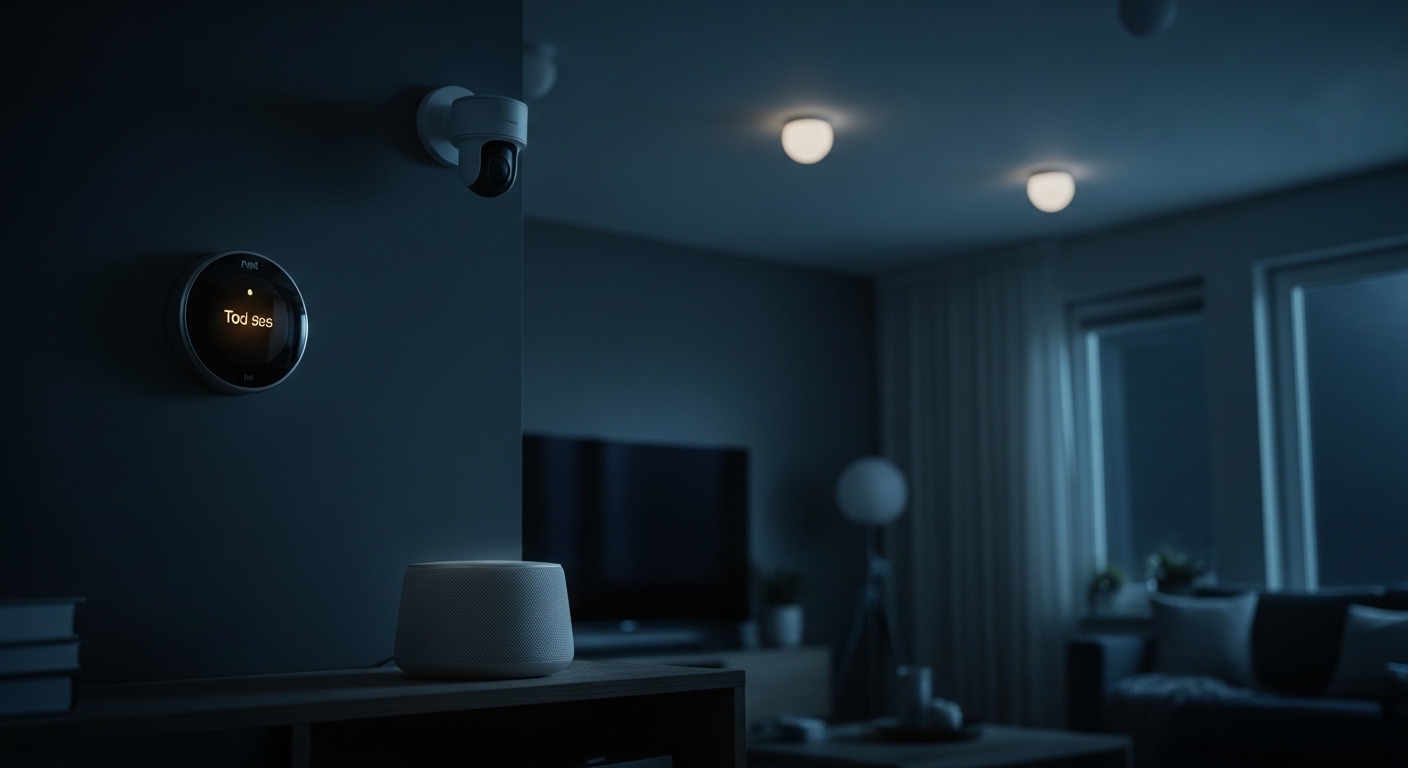
Smart Home Abandonment: Who Stops Using Smart Devices — and What Brings Them Back
72% of smart devices sat unused in the prior 30 days — not because they broke, but because households quietly drifted. 8 synthetic US personas, 6 hypotheses, 12 interventions ranked. The best-performing re-engagement wasn't a tutorial or discount. It was showing households the data their home had already been collecting.

The Premiumization Paradox: Who Trades Up During Inflation — and Why
While most CPG categories bled share to private label during inflation, specific premium categories grew simultaneously. This study maps the decision architecture behind trade-up: 4 distinct permission structures, 8 personas, 12 ranked interventions. The wrong intervention doesn't just fail — it contaminates the conversion path.
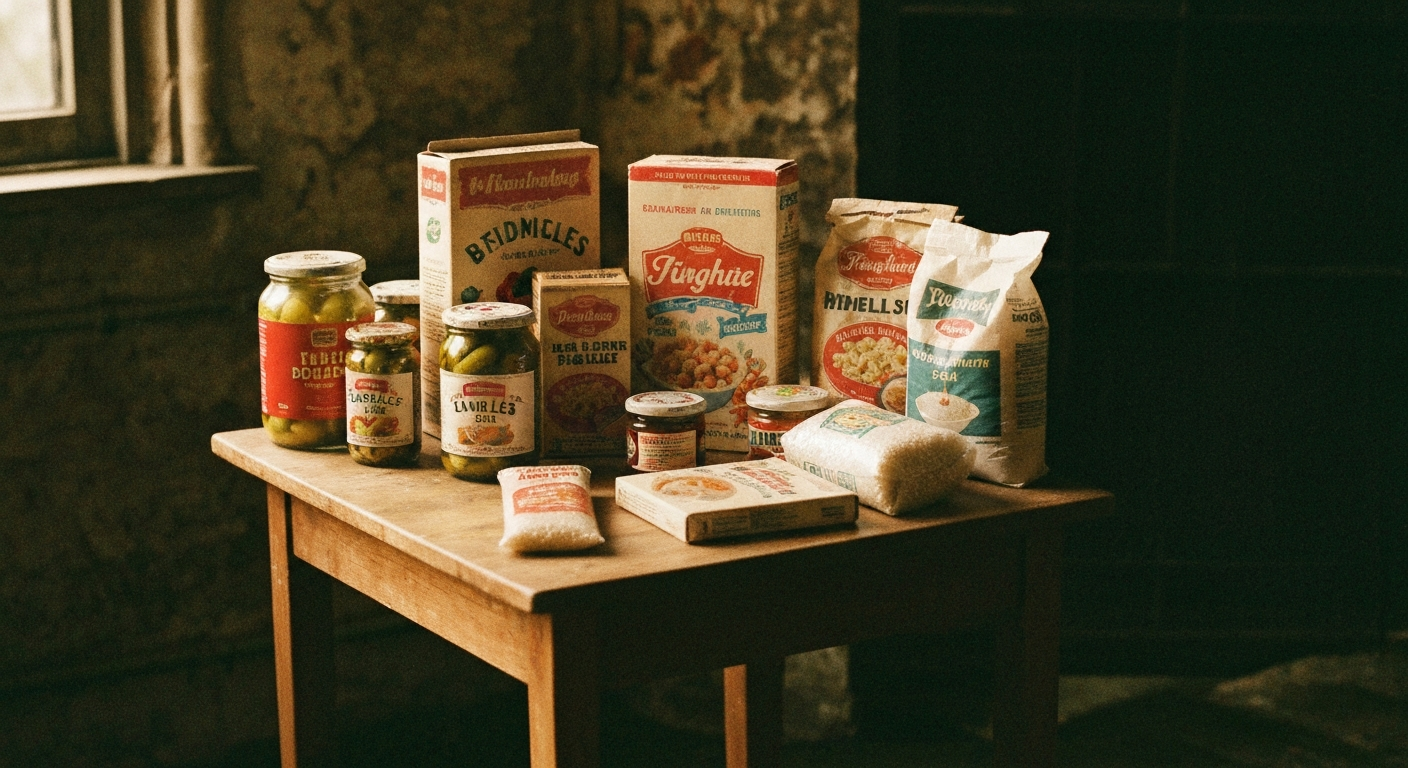
Why Loyal US Shoppers Trade Down to Private Label — and Why Most Never Come Back
CPG brand loyalty collapsed during inflation — and most brands are fighting a perception and identity problem with pricing tools. This study mapped the decision architecture across 8 deep behavioral personas, tested 4 intervention designs, and found that 5 of 8 personas have no standard win-back pathway. Three actively backfire when exposed to coupons or promotions.
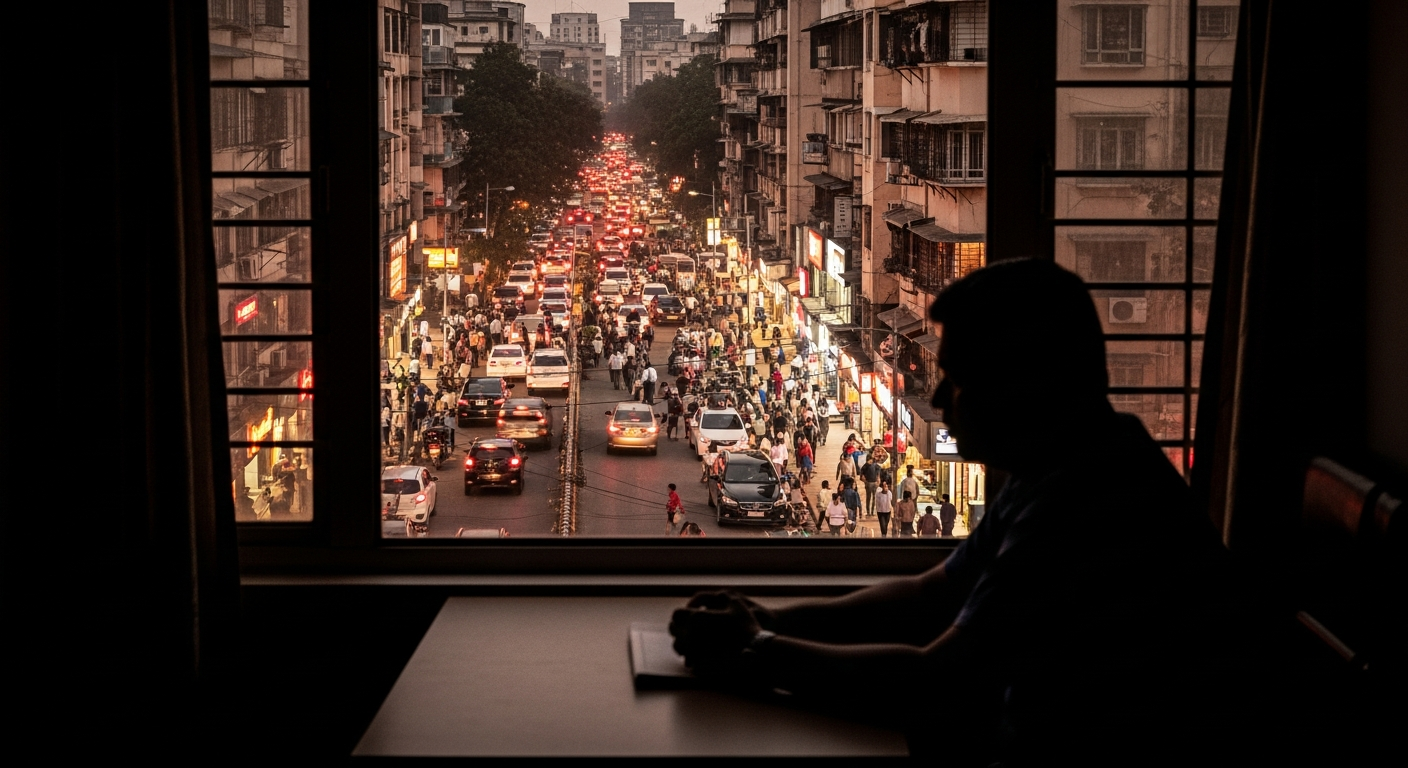
Why Urban Indians Delay Mental Health Care — Even When They Know They Need It
The treatment gap for common mental disorders in urban India is 70–80% — even among educated, working adults. This study mapped the decision space between "I think I need help" and "I am sitting in a therapist's office." 8 deep behavioral personas. 6 distinct barrier types. None of them were stigma.