The industry's working assumption — that trade-down is reversible — is wrong for most of the lapsed buyer population.
Between 2021 and 2023, private label captured an estimated $30 billion in incremental grocery share from national CPG brands. The industry's working assumption — that trade-down is a rational, reversible economic response — is wrong. The actual behavioral sequence is more dangerous: price threshold → first store brand trial → quality parity perception → public rationalization → coupon-triggered backfire → permanent lock-in.
CPG brands are fighting a perception and identity problem with pricing tools. This study maps the decision architecture at each stage, tests four intervention designs, and identifies which win-back conditions are genuinely recoverable — and which require an entirely different frame.
Five of eight personas have no standard win-back pathway available. Three actively produce backfire when exposed to coupon or promotional interventions. Two are not win-back cases at all — they are acquisition cases, requiring a fundamentally different frame than the rest of the lapsed buyer population.
"People think you have to buy the brand to get the quality. That's the whole point of marketing — to make you feel like you do. Once you see it, you can't unsee it."
— Jasmine R., 31 · Dental Hygienist · Charlotte, NC · Community identity archetype
8 agents. 6 states. The suburban American shopper who switched — and stayed switched.
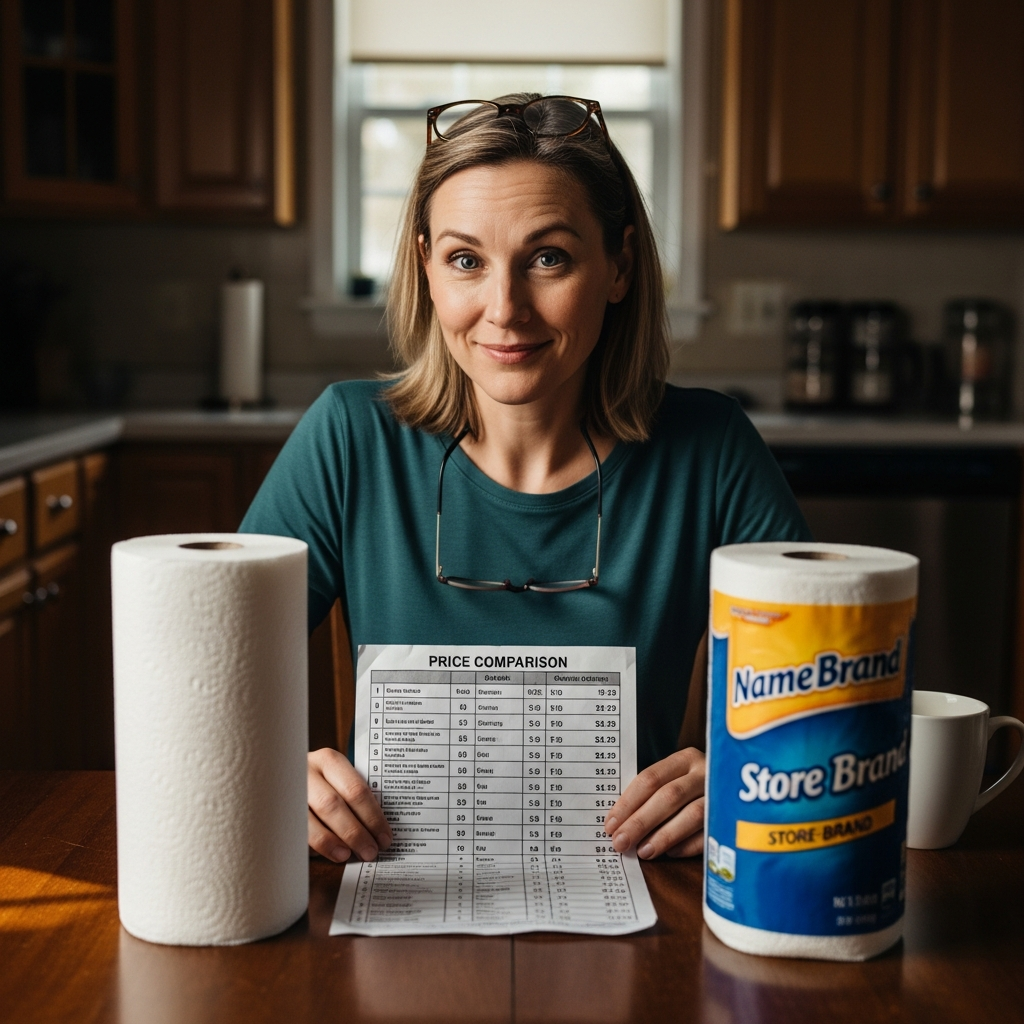
Former loyal Tide/Bounty/Heinz buyer for a decade. Switched publicly, told her book club, built a reputation around being "smart about it." No standard win-back pathway exists.
Social identity investor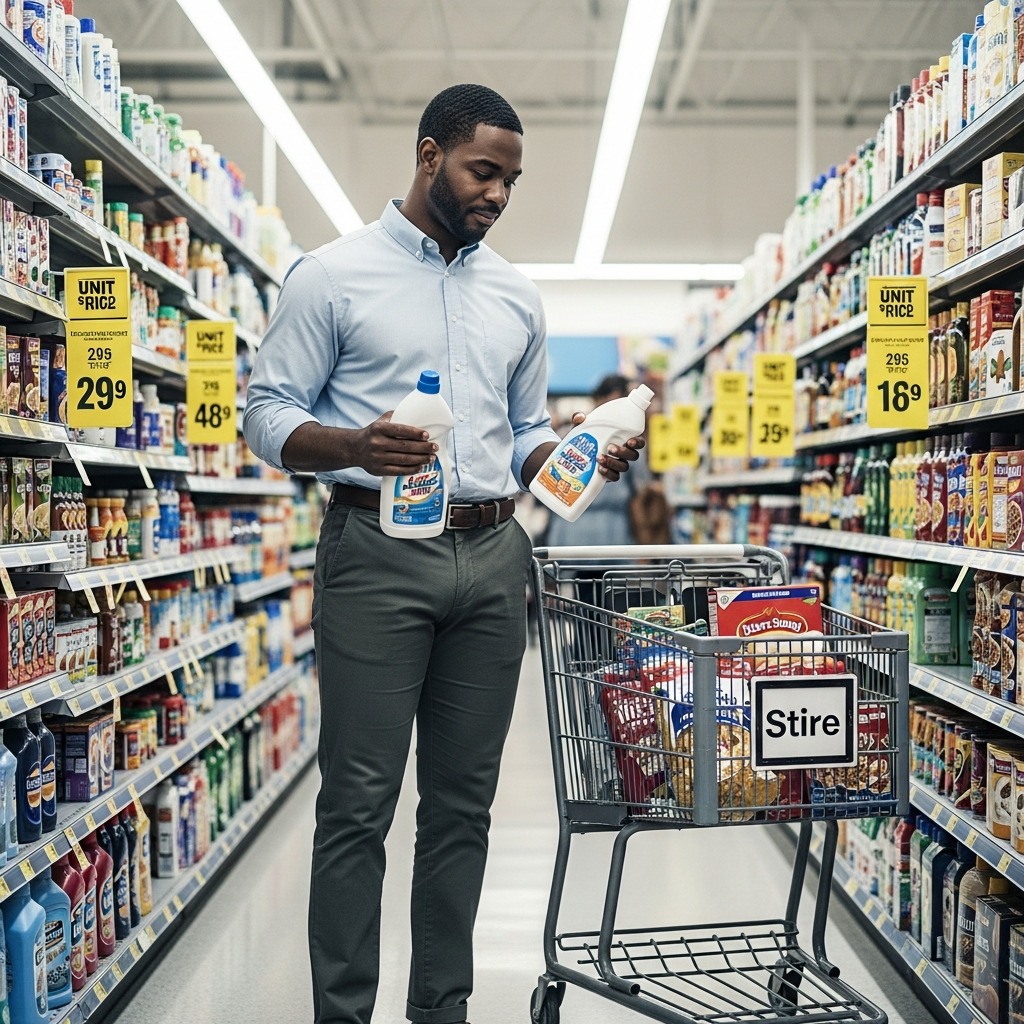
Deliberate switcher. Moved cleaning and canned goods to store brand; held Starbucks and KIND bars. Treats each category on its own terms. Logical but narrow re-engagement window.
Category segmentation architect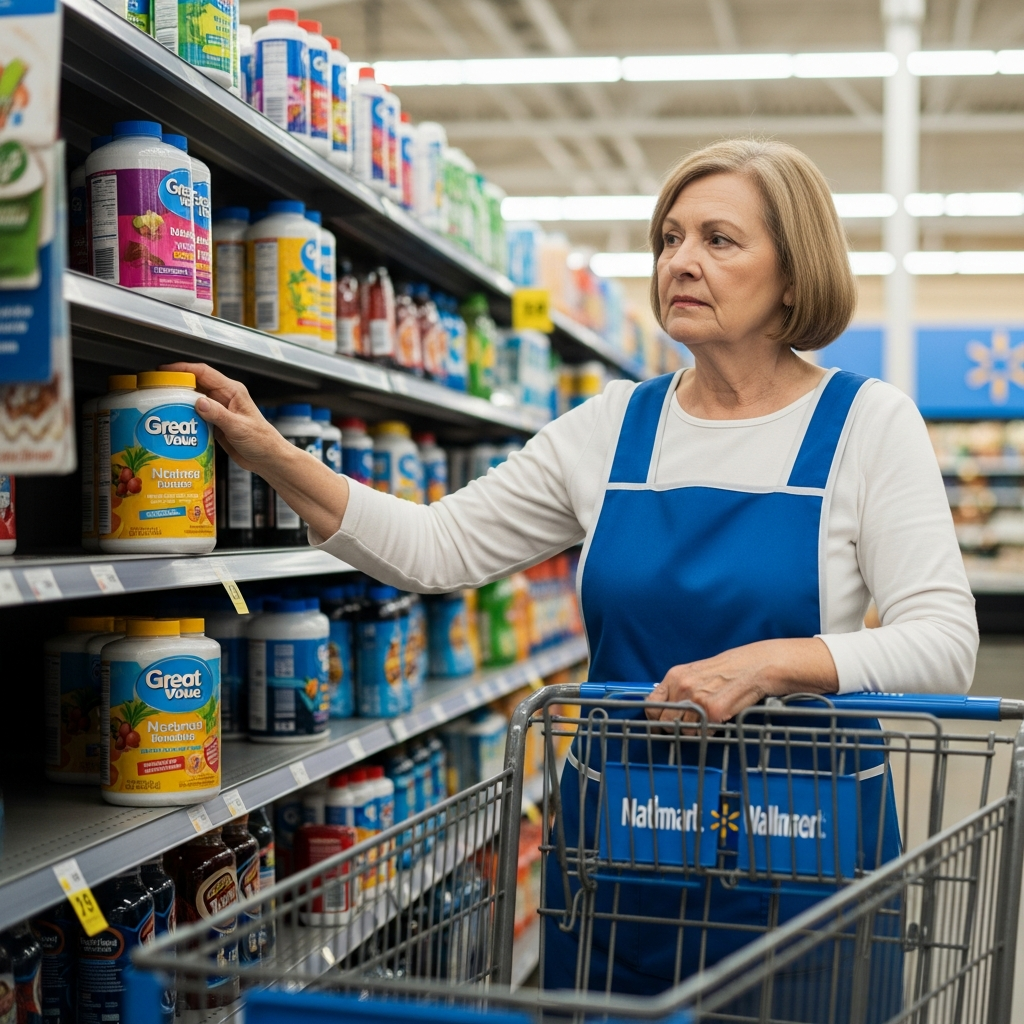
Lifelong P&G household. First store brand trial in 2022 revealed 40 years of unnecessary spending. Return would reopen a question she has resolved by moving forward.
Trust collapse + dissonance
r/Frugal community member. Has turned frugality into a value system and a social identity. Every coupon offer confirms her worldview rather than challenging it.
Community identity — ideological lock-in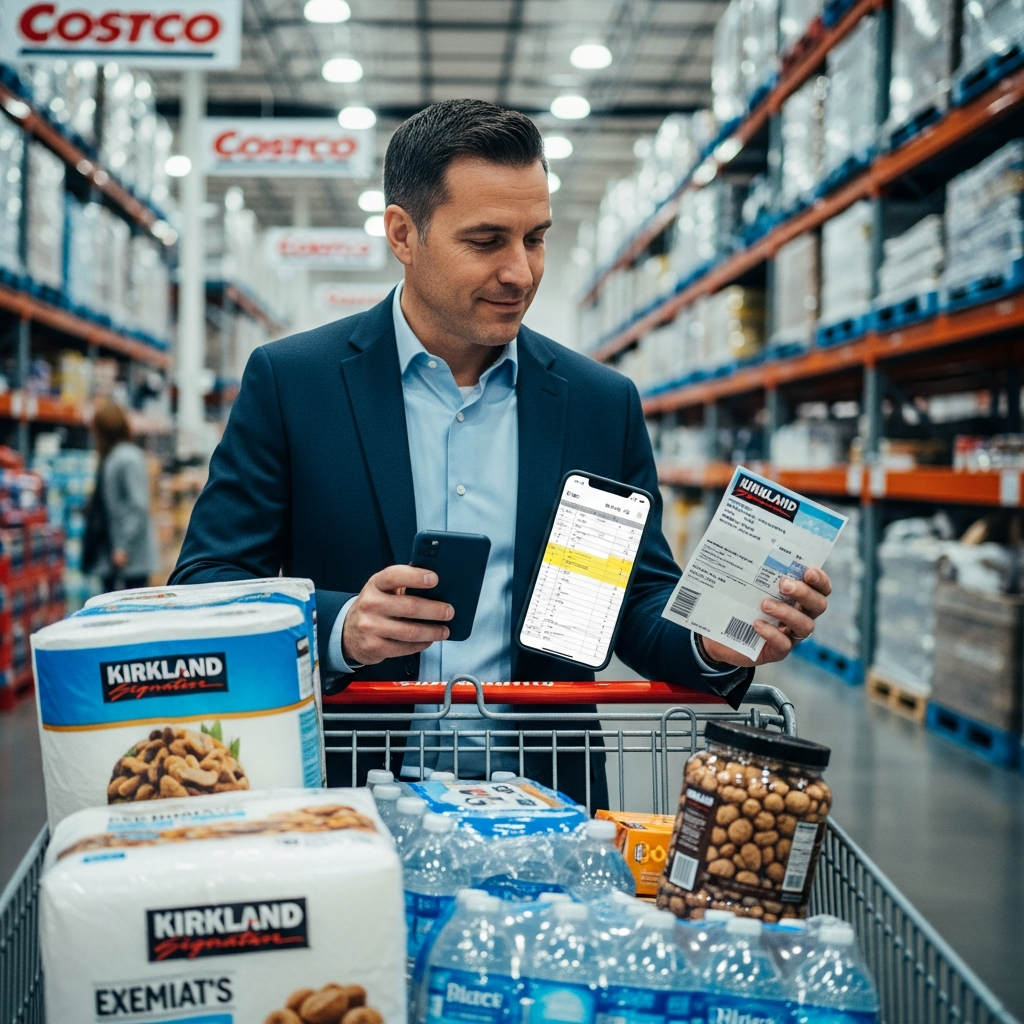
Switched to Kirkland Signature. Not budget pressure — analytical discovery. Has a quality comparison spreadsheet. Would re-engage with a verifiable quality argument he can test.
Quality-at-value conviction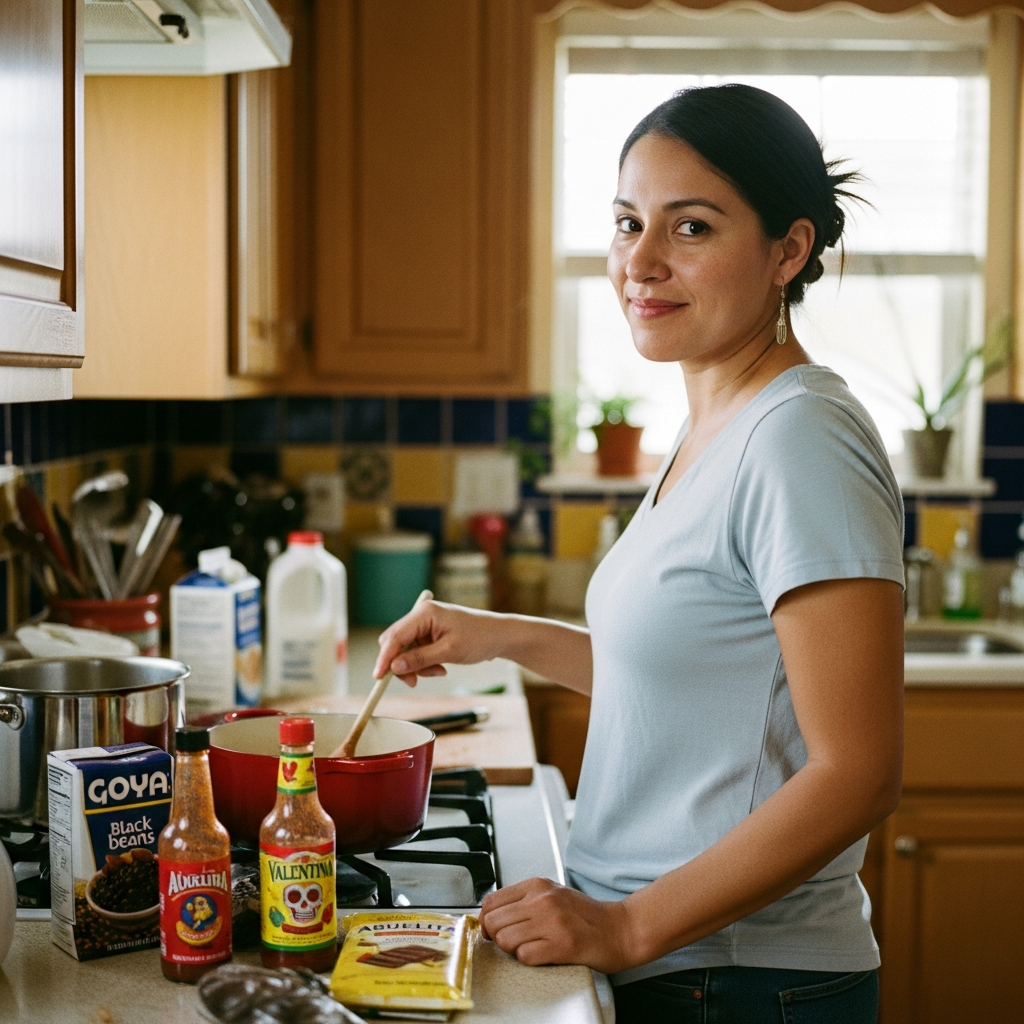
Brand-loyal to Goya, Valentina, Abuelita. National CPG brands were never primary. This is not a win-back case — it's a first-acquisition scenario. Different intervention frame required.
Cultural anchor — acquisition case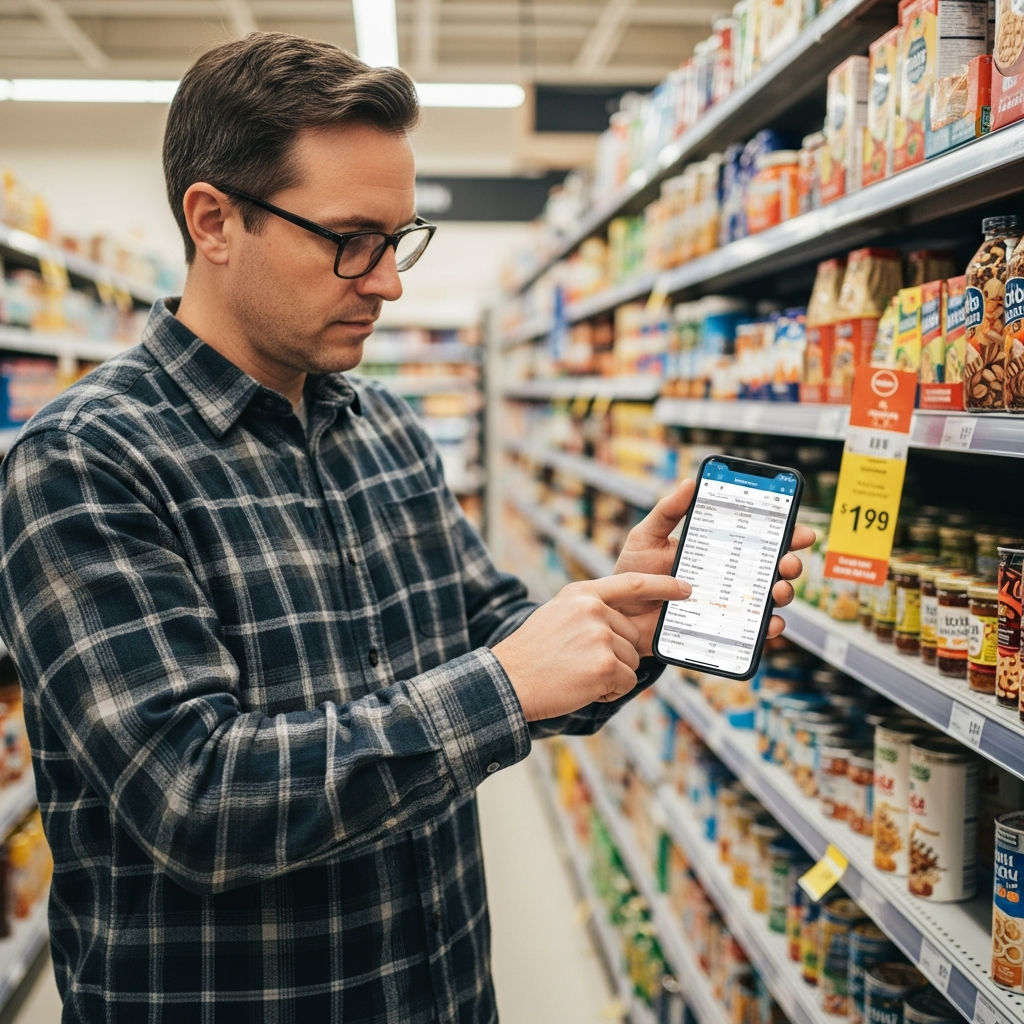
Has a literal spreadsheet with unit prices and quality ratings per category. Has told you exactly what would move him. Coupon offers are an insult. Quality evidence is the only path.
Analytical conviction, self-documented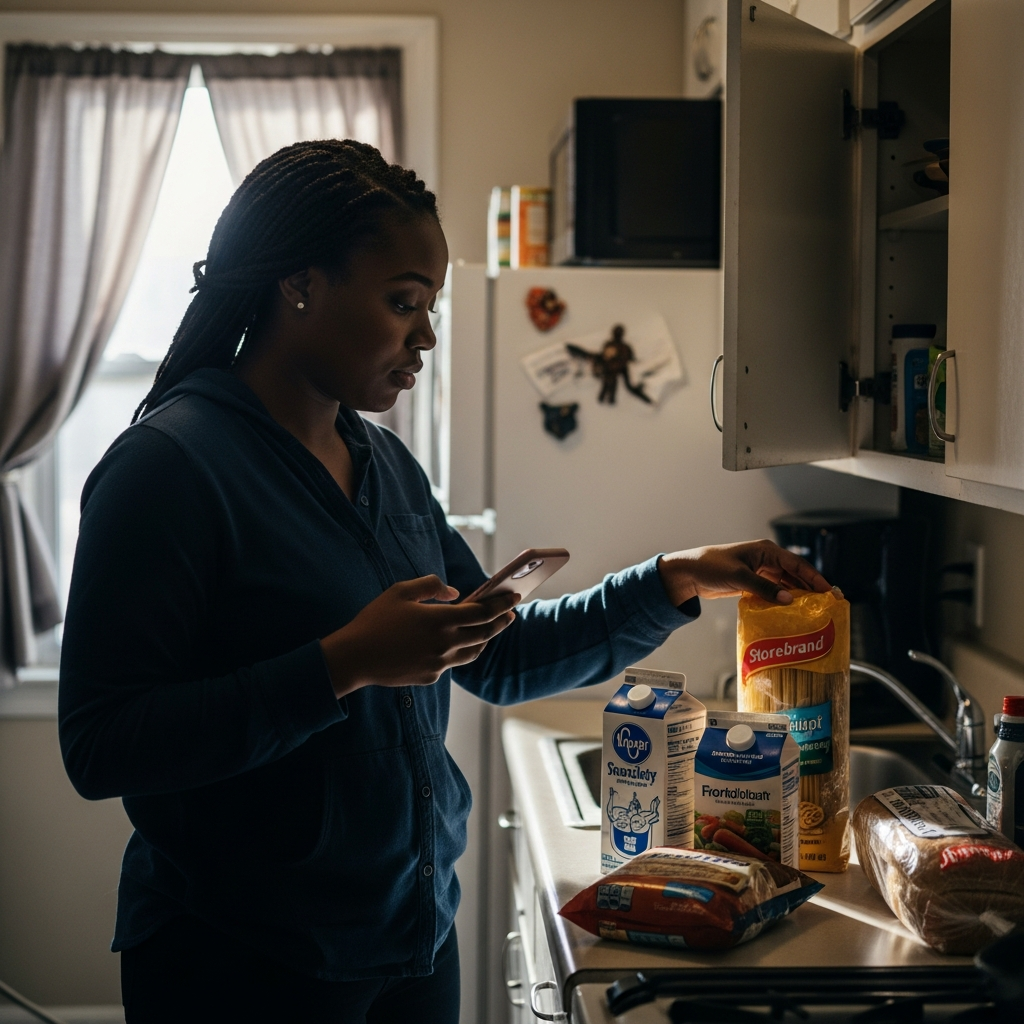
Formed grocery habits post-2019 with private label as the default. Not a win-back case — the prior relationship doesn't exist. Acquisition framing required.
No prior frame — first acquisitionTrade-down is triggered by a specific unit-price threshold, not general budget pressure — typically when the national brand costs 40–60% more per unit.
Most CPG win-back models treat the trigger as diffuse inflation anxiety. The simulation maps a specific threshold: at 20% premium, most shoppers hold. At 30%, the premium requires active justification. At 50%+, the premium collapses unless the shopper has a strong quality narrative — which most don't. The implication: selective price normalization matters, but only in categories where threshold logic dominates over identity dynamics.
The threshold is specific and calculable. The error is treating it as the whole story.
The price gap is the initiating condition — not the lock-in mechanism. Seven of eight personas identified a specific price-per-unit moment that prompted trial. But reducing the premium won't win them back, because the trial unlocked a deeper re-evaluation the brand cannot undo with price.
"I'm not cheap. I just don't pay for things that don't deliver value. That's not frugality, that's basic math."
"I kept buying the same things for years without thinking about it. Now I actually look at what I'm buying. It's embarrassing how long it took me."
Once a shopper perceives quality parity with the store brand, the national brand's entire value proposition collapses — not just its price premium.
The threshold gets the shopper to try. Quality parity is what locks them in. Once a shopper concludes "just as good," the cognitive architecture that justified the premium dissolves entirely. This is not satisfaction — it is a fundamental reframe of what the category is worth. Coupon-led win-back does nothing to address this reframe. Quality credentialing must arrive before parity belief stabilizes.
Quality parity belief is not satisfaction. It is a categorical verdict that restructures all subsequent reasoning.
The parity conclusion is the point of no return. Once a shopper has concluded "just as good," returning to the national brand requires a piece of evidence that directly contradicts a conclusion they made through their own experience. No price incentive reaches this. Only verifiable quality evidence can.
"The paper towels are fine. Perfectly fine. I keep waiting to find the difference and I haven't."
"The Kirkland version passed every test I ran. I'd have stayed with the brand if it hadn't. It did."
Trade-down permanence is not uniform across categories. Commodity categories are essentially irreversible; identity and pleasure categories have deeper emotional architecture to defend.
Most CPG brands apply uniform win-back logic across all categories. This is the central strategic error the simulation identifies. Cleaning supplies and paper goods: private label has always been a legitimate quality substitute; the switch is permanent once made. Premium snacks, coffee, personal care: the national brand has emotional architecture still partially intact and a higher defensible premium. The correct strategy is cede commodity, defend ritual — not uniform recovery spend.
Commodity categories are not recoverable. The CPG brand's energy belongs in ritual, not laundry.
The category determines the ceiling of any win-back intervention. Paper towels and cleaning products: the emotional architecture was never there. Coffee, snacks, personal care: residual emotional connection is present and defensible. Uniform spending across both category types wastes resources on unrecoverable positions while under-investing in the ones that can be held.
"I'm not anti-brand. I spend more on coffee than I used to. I'm just not going to pay extra for a cleaning product that does the same job."
"There are things where it matters — you taste it, you feel it, you notice. And there are things where it doesn't."
Coupons and temporary price promotions bring some lapsed buyers back for one purchase — and confirm to them that the product was overpriced all along.
Every promotion-led win-back attempt is, at best, neutral — and at worst actively deepens the quality parity belief and resets the price anchor. The shopper who accepts a 40% off coupon does not think the brand is investing in winning her back. She thinks she was right. Scanner data on brands that ran aggressive win-back promotions in 2023–2024 shows lift during the promotional period followed by steeper lapse curves immediately after.
A coupon is not a win-back mechanism. It is evidence that the brand agrees it was overcharging.
The promotion-backfire effect is the most counterintuitive and most actionable finding in this study. For three personas, receiving a coupon from a brand they've left doesn't create neutral noise — it actively strengthens the case against returning. The coupon confirms the prior price was inflated. The brand's win-back tools are doing the opposite of their intended work.
"Tide's been running these coupons. I don't understand why they think that's going to work. If I needed a coupon to come back, that just means it was overpriced before."
"I got a coupon from Tide. A coupon. That's their answer to my question about why their product is worth paying more for. I threw it away."
Shoppers who announced their switch publicly are structurally harder to win back than those who switched quietly — not because of economics, but because of social identity investment.
A quietly-switched shopper can return without social consequence. A shopper who has told her book club, posted about her savings, and built a reputation around being "smart about it" cannot return without renegotiating her stated identity. The return requires either public acknowledgment of reversal or a reason to return that is identity-compatible — e.g., "I tested both and the national brand is measurably better." Standard win-back marketing does not supply this.
The social declaration converts an economic decision into an identity statement. The return must be identity-compatible, not just economically rational.
For publicly-declared switchers, the win-back problem is not a purchasing decision problem — it is a social narrative problem. The shopper needs a story she can tell the audience that witnessed her switch. "It was on sale" is not that story. "I tested both and the brand is measurably superior on a dimension that matters" is potentially that story — if it's verifiable enough to share.
"My friend Lauren asked me what I'd switched to and I walked her through the whole thing. She said she was going to try it. I felt like I'd actually helped someone."
"I posted my full grocery comparison last week and I'm saving $340 a month. That's not small. That's a vacation."
At the point of purchase, shelf placement — proximity, eye-level position, visual similarity to national brand packaging — predicts initial switching more than any above-the-line campaign.
The decision happens in the aisle, not in the living room. The store brand and national brand are 18 inches apart. The visual similarity of store brand packaging to national brand packaging — a deliberate retailer strategy — reduces the perceived quality gap at the moment of purchase. This has direct implications: winning back shelf position and disrupting store brand packaging parity are higher-leverage interventions than campaign spend.
The competitive threat is 18 inches away and it looks like you. Above-the-line investment doesn't address what happens in the aisle.
Five of eight personas identified the first store brand trial as happening at the point of purchase — prompted by adjacency, price visibility, and packaging similarity rather than deliberate research or brand consideration. The implication for CPG brand strategy: shelf position and packaging distinctiveness are upstream of all consumer communication. If the shopper can't distinguish you from the store brand at a glance, no campaign resolves that.
"I don't even think about most of these brands. They're just there. If the store brand is the same price and works, I get that."
"I've tried some of the brand versions when they're on sale or when a friend brought something over. Sometimes it's better, sometimes it's the same. It's hard to tell."
Four interventions. Each one run as a direct re-simulation against specific personas.
Each intervention was administered by re-running the relevant personas in a second simulation pass. The persona was placed inside the intervention scenario and probed on their reaction in real time. Re-purchase intent (0–10) was measured before and after each intervention encounter. Baseline reflects current likelihood of buying the national brand again.
The baseline simulation established each persona's starting state and lock-in mechanism. Interventions were then tested by placing each persona inside a specific scenario — a message received, an in-store situation encountered, a loyalty program offer seen — and observing how they responded.
Directly challenges the quality parity belief with evidence the shopper can verify. The claim must be specific, testable, and from a source more credible than the brand itself. Works by giving the shopper who has concluded "just as good" a specific piece of information that challenges that conclusion.
Counter to the "I'm smarter now" narrative. Doesn't argue about price or quality — reactivates what the brand meant before the switch. Only works where a genuine prior emotional relationship existed.
Acknowledges the rational logic of store brand switching in commodity categories. Focuses energy on the occasions where the brand relationship runs deepest — pleasure, ritual, identity. Higher defensible premium because the occasion itself carries meaning.
Structural alternative to coupons. The shopper doesn't feel she's receiving a discount — she feels she's an insider who has earned a better deal. Avoids the price anchor reset that coupons trigger.
The win-back problem isn't economic. It's architectural.
The CPG industry's mental model of the lapsed buyer is a shopper who left for price reasons and will return for price reasons. This model is wrong for most of the population that switched during 2021–2023 — and dangerously incomplete for the growing segment that never had the prior relationship to begin with.
The study identifies four distinct lock-in mechanisms, each requiring a different intervention frame:
Social identity investment (Deirdre, Jasmine): Coupon offers are read as confirmation of prior overpricing. No standard promotional lever moves this architecture. The only viable path is a verifiable quality claim the shopper can share with the audience that witnessed their switch.
Cognitive dissonance resolution (Linda): Return would reopen a 40-year question. The lock-in is not about the brand's current product — it's about what the switch revealed about her entire prior purchasing history. No messaging strategy addresses this directly.
Analytical conviction (Marcus, Kevin, Tom): These shoppers told you exactly what would move them. Kevin even has a spreadsheet. They need a quality argument they can test — not price, not nostalgia, not emotion. If the brand cannot supply that argument, the category is lost.
No prior relationship (Rosa, Angela): These are not win-back cases. They are acquisition cases. The entire win-back playbook is the wrong playbook.
"I got a coupon from Tide. A coupon. That's their answer to my question about why their product is worth paying more for. I threw it away."
— Kevin S., 45 · Supply Chain Consultant · Suburban Philadelphia · Post-intervention simulation
The study's central implication: CPG win-back strategy requires lock-in type identification before intervention selection. Applying the same promotional lever across all lapsed buyer segments is not just inefficient — for significant portions of the population it is actively counterproductive.
What this study raises but does not resolve.
-
01Can quality credentialing be deployed at category level — targeting only the functional categories where analytical conviction (not social identity) is the primary lock-in mechanism? What would a category-specific transparency campaign look like at shelf and in digital?
-
02The social declaration dimension is the least-studied variable in CPG churn. What is the actual prevalence of public switching declarations among the lapsed buyer population — and does prevalence vary by demographic, income, or platform?
-
03INT-D (loyalty architecture / insider pricing) works only if it does not read as a discount. What execution formats — subscription, loyalty tier, member pricing — most successfully preserve the "access" frame vs. triggering the "it was overpriced" inference? Is this primarily an execution problem or a structural one?
-
04The acquisition frame required for P6 (Rosa) and P8 (Angela) is fundamentally different from the win-back frame the industry uses for the rest of the lapsed buyer population. How large is this segment in total, and does it scale as younger cohorts form habits entirely within a post-brand-dominance grocery environment?
-
05Shelf proximity was identified as the primary switching trigger — not above-the-line media. What is the actual correlation between store brand packaging visual similarity to national brand and switching rate? Is there a legal or retailer-relations intervention available, or is this a structural retail fact that CPG brands must work around rather than through?
-
06The simulation modeled the suburban, middle-income segment where brand loyalty had genuine room to exist before being disrupted. How does the lock-in architecture change for urban, higher-income households where private label already commands a quality premium (Trader Joe's, Whole Foods 365) — a segment where the switching mechanism may be inverted?
Is your win-back strategy reaching the people who can actually come back?
Every finding in this study was derived from a synthetic population before a single real shopper was exposed to a campaign. CPG brand managers, pricing strategists, and CMOs can model win-back scenarios specific to their lapsed buyer population before committing to a promotional architecture.